
Main Line Rehabilitation From Our Ravenel Neighbors
When a shared sewer main starts failing, the problem rarely stays in one place. Backups reach multiple buildings, odors rise from manholes, and every fix that requires digging affects everyone connected to the line.
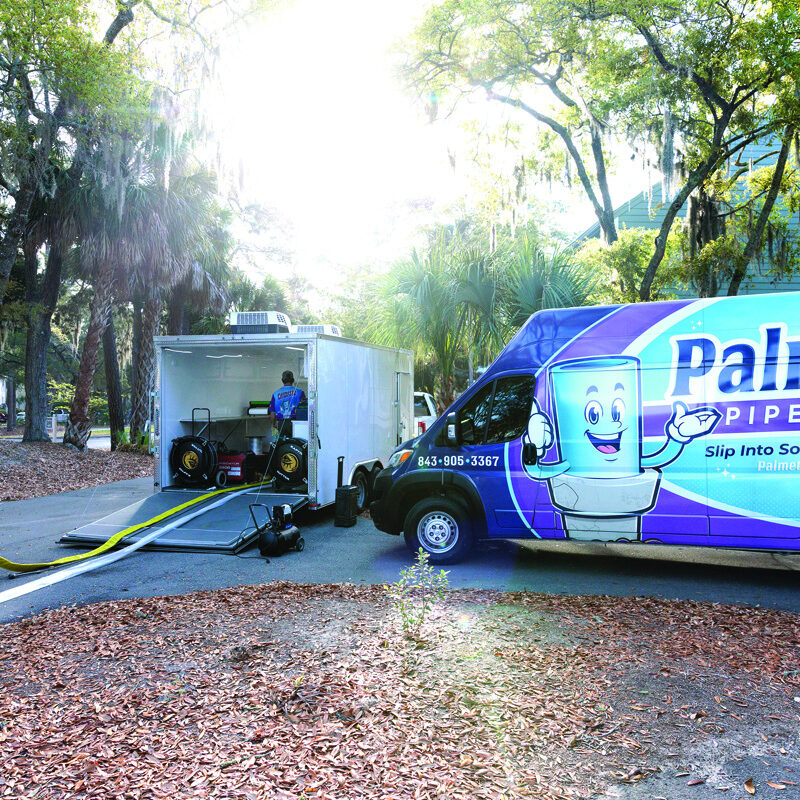
Palmetto Pipe Lining is a company truste for large diameter CIPP sewer lining in Hollywood, SC. We’re here to help rebuild damaged sewer mains from the inside so the property above them can stay in use. Our headquarters is in nearby Ravenel, and every project starts the same way: we review the pipe’s condition, figure out how to reach it, and plan the work around what your property needs.
Call us at (843) 905-3367 to request a pipe evaluation.
Call (843) 905 3367
Schedule Service
What Makes a Sewer Line “Large-Diameter”?
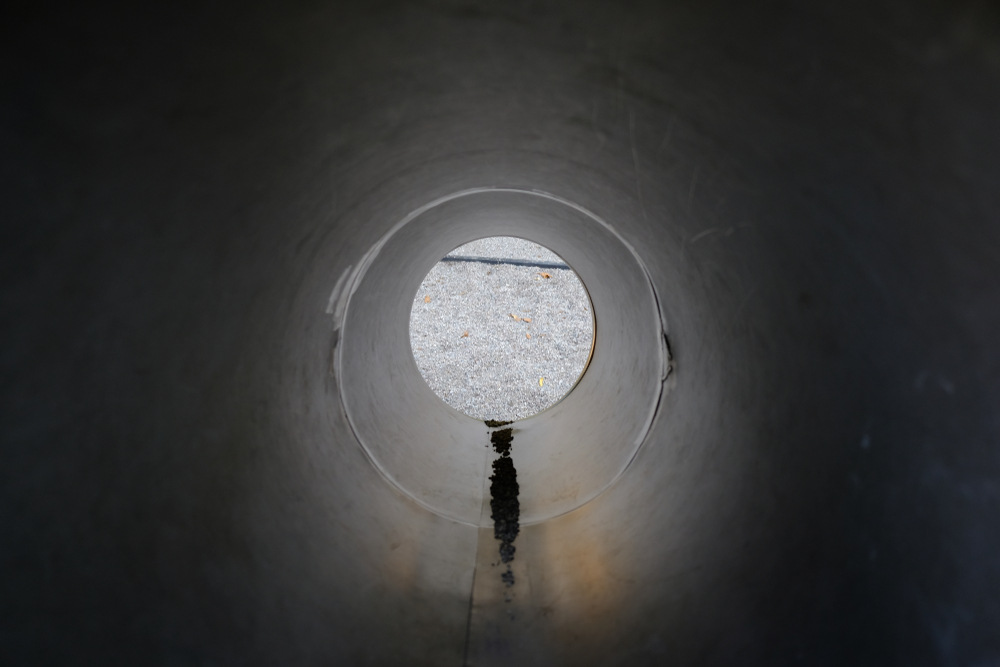
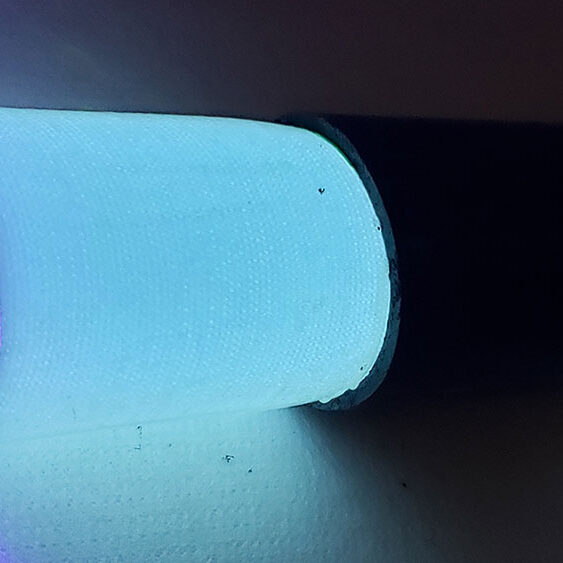
A large-diameter sewer line is a main or collection pipe that carries flow from several buildings, units, or connections, as opposed to the 4-inch and 6-inch laterals that serve a single home. CIPP lining these lines works much like lining a smaller pipe: we install a resin-saturated liner inside the existing pipe, and when it cures, it forms a rigid, seamless pipe within the old one.
Who Relies on Large Sewer Mains in Hollywood?
Hollywood is a smaller, more rural community than the Charleston suburbs, but it still depends on shared sewer infrastructure. Properties that commonly have larger mains include:
What Are the Signs of a Failing Sewer Main?
Problems in a large sewer main tend to show up across a whole site, not in a single fixture. Watch for:
Why Do Sewer Mains Deteriorate Around Hollywood?
Large sewer mains usually wear down from several stresses working together.
Groundwater and Low-Lying Ground
Much of the Hollywood area sits low, near rivers, creeks, and marsh, with a high water table. Groundwater presses against buried pipe for long stretches, and when joints open up, it seeps inside. That extra water uses capacity meant for wastewater.
Corrosion Inside Concrete Pipe
Wastewater produces hydrogen sulfide gas. In concrete sewer pipe, that gas can turn into sulfuric acid on the upper walls, slowly wearing away the concrete.
Roots Along Rural Lines
Sewer mains in rural areas often run near wooded edges and along tree lines. Roots seek out moisture at leaking joints and grow inside, narrowing the pipe.
Shifting Soil
Wet, soft soil can settle around buried pipe over time, putting stress on joints and pulling sections out of line.
How Do We Approach a Large-Diameter Project?
Before we recommend lining, we look at the line from three angles.
Pipe Condition
We record the main from end to end with a CCTV camera. The footage shows cracks, open joints, corrosion, roots, and service connections, along with any sections that may not be suitable for lining.
Access
In a rural setting, sewer mains don’t always sit under pavement. Some run along easements, across open ground, or through wooded areas. We review where manholes are, how equipment can reach them, and whether any part of the route needs extra planning.
Project Needs
We talk with you about flow, schedules, and how the site is used. A school’s calendar, a church’s service times, and a business’s operating hours each shape when the work can happen and how it’s phased.
We go over what we found and the options that make sense for your line once enough information is gathered.
What Does the Lining Process Involve?
When a sewer main is a good candidate for lining, the project generally includes:
Long runs are commonly lined section by section between manholes, which helps keep each phase of the work manageable.
Is Lining the Right Repair for Every Sewer Main?
No. A liner needs a host pipe that still holds its basic shape. Collapsed or badly deformed sections, and sags that hold standing water, may need a different repair, because the liner follows the pipe’s existing shape.
If our inspection turns up any of these, we’ll explain what the footage shows and discuss the options for those sections.
Why Hollywood Trusts Our Sewer Lining Team
Frequently Asked Questions
Possibly. We work through existing access points like manholes, so the key question is whether equipment can reach them, which we look at during the evaluation.
Yes. We plan the project timing around how your site is used, including school calendars, service times, and business hours.
Lining seals the cracks and open joints where groundwater usually enters. That can reduce the extra flow a damaged main carries during and after heavy rain.
Some connections may be briefly unavailable while their section is being lined. We’ll go over the timing with you ahead of time so you can let occupants know.
Site plans or as-built drawings, any previous inspection footage, and a history of backups or maintenance calls are all useful. They help us plan the inspection and understand the line’s history.
Request a Pipe Evaluation
If backups are spreading across buildings or the ground over your sewer main stays wet, the next step is a clear look inside the pipe. For large-diameter CIPP sewer lining in Hollywood, SC, call us at (843) 905-3367 for a thorough pipe evaluation.